

Post-Smolt: Valuable, but to Whom?
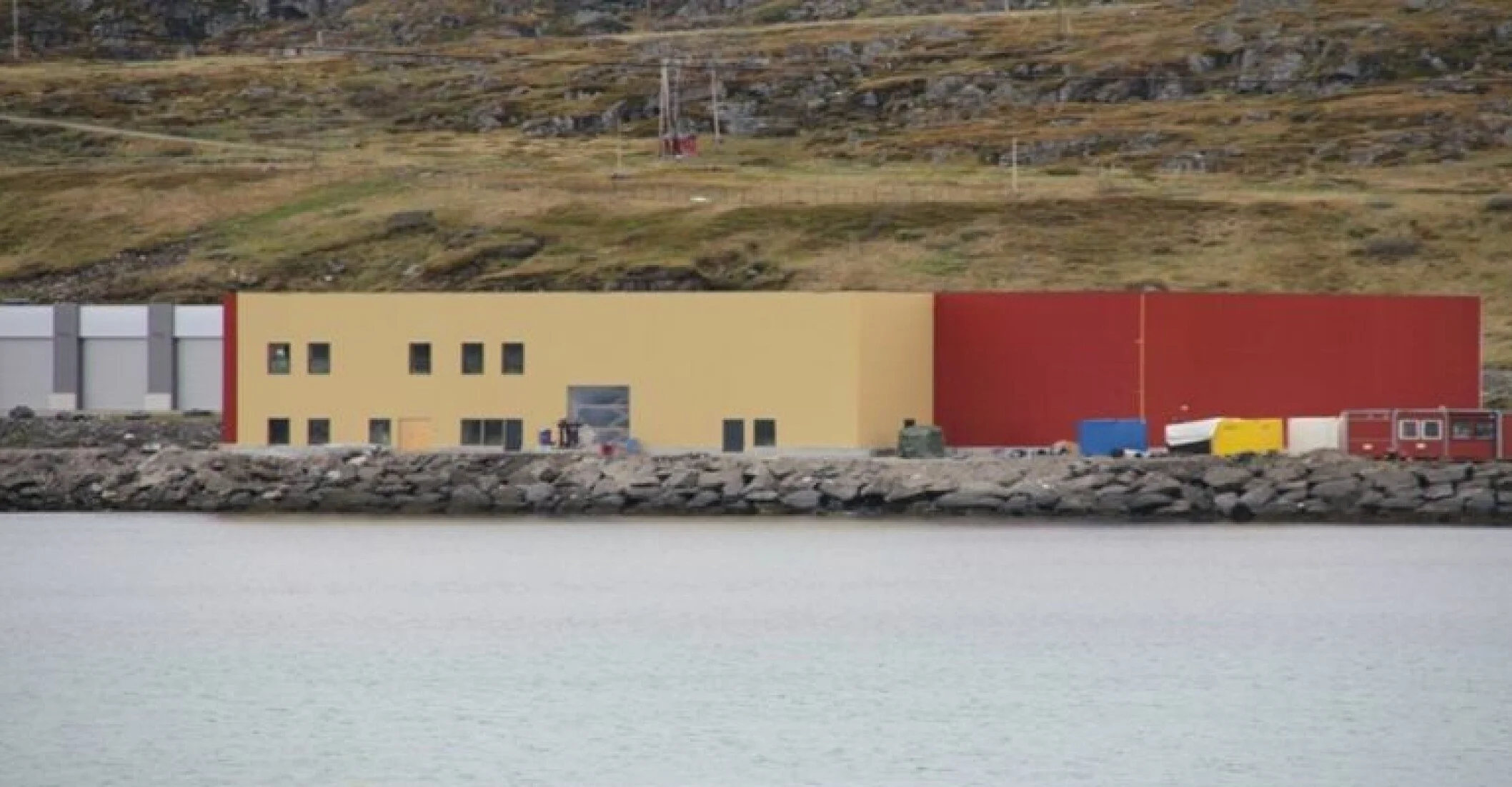
Photo: NordNorsk Smolt
A recent story about the uncertain future of Nordnorsk Smolt caught my attention.
The company is jointly owned by Cermaq and SalMar, following a series of transactions that replaced its original owners, Grieg Seafood and Norway Royal Salmon. Nordnorsk Smolt has reported losses, negative equity and uncertainty about whether it will continue under joint ownership, be acquired by one of its shareholders or be closed.
At first glance, it looks like a straightforward story about an underperforming smolt facility. But the more interesting issue may be what happens to shared infrastructure when the companies around it consolidate.
Cermaq and SalMar have their own freshwater capacity, development plans and regional strategies. Cermaq is also developing substantially greater smolt and post-smolt capacity of its own in the region. Nordnorsk may still be capable of producing perfectly good fish, but does it perform a function that either owner needs?
Shared assets may make sense when they are developed. Two or more farmers may need a hatchery, processing plant or other piece of infrastructure that none can justify independently. Sharing capital and capacity can look efficient.
But the arrangement remains dependent on the participants continuing to want the same thing, in the same place, at roughly the same time.
An asset that was once strategically important can become surplus without anything having gone particularly wrong inside the facility itself.
This is especially relevant to post-smolt production.
Where is the value captured?
The enthusiasm for post-smolt is understandable.
Larger smolt can shorten the seawater production cycle, reduce exposure to sea lice and disease, improve site rotation, lower mortality risk and allow more production to move through constrained marine licenses. The potential value can be substantial. But most of that value appears after the fish leaves the post-smolt facility.
The seawater farmer benefits from improved license utilization, lower biological exposure, reduced treatment requirements and potentially higher harvest volumes. The post-smolt producer incurs the capital cost, energy cost and biological risk required to grow the fish to a larger size.
That does not mean the post-smolt producer automatically captures the value it creates.
A farmer purchasing post-smolt may recognize that the fish will create significant downstream benefits. But that farmer will still negotiate the purchase price against the cost of producing the fish internally, the cost of conventional smolt and the availability of alternative suppliers.
The supplier is unlikely to capture the full downstream benefit through the sale price.
This creates an important distinction between the value post-smolt create and the value the post-smolt producer can capture.
A post-smolt facility may create substantial value within an integrated farming system while producing a relatively modest return as an independent business.
That may help explain why the number of hatcheries and post-smolt facilities operating as genuinely independent, profit-making businesses remains so small.
Post-smolt is not a standard product
The commercial problem is that post-smolt are not easily sold as a commodity.
A batch must be produced in the correct number, at the required weight and within a relatively narrow stocking window. The health status must be acceptable. The fish must be within a practical transport distance of the customer, and the delivery must fit into a seawater plan shaped by fallowing requirements, license constraints, site availability and harvest timing.
A producer that loses a customer cannot simply hold the fish in inventory while searching for another buyer. Density increases. Production costs accumulate. Tank capacity required for the next cohort remains occupied.
The list of realistic alternative customers may be extremely short.
The dependency runs in both directions. A seawater farmer expecting a delivery of large smolt may have allocated a site and structured its production plan around that batch. A failed or delayed delivery can leave expensive marine capacity underutilized and disrupt harvest plans for years.
These risks make post-smolt production a natural candidate for integration.
The land-based pivot
This has implications for the growing number of land-based salmon companies presenting post-smolt as part of their business plans. For a company originally established to produce harvest-size salmon, post-smolt can appear to offer an attractive alternative.
The production cycle is shorter. Revenue arrives earlier. Maximum standing biomass is lower. Tank capacity turns over more quickly. Biological exposure is reduced, and the consequences of a production problem may be less severe than when fish must remain in the facility until harvest size.
These are legitimate advantages. But they do not answer the central commercial question.
When evaluating a post-smolt strategy, investors need to distinguish between three propositions:
The facility can produce post-smolt at an acceptable cost.
Those post-smolt will create value in the customer’s seawater operations.
The land-based company will capture enough of that value to generate an acceptable return on the capital invested.
The first two do not automatically lead to the third.
A post-smolt strategy supported by a committed farming partner is fundamentally different from a plan based on selling fish into an assumed future market. An investor should attach more value where the customer has invested equity, entered a long-term agreement, committed to minimum volumes or provided some form of take-or-pay protection.
By contrast, a land-based company that describes post-smolt as an attractive market without identifying who will buy the fish, when they will take them and how prices will be determined should receive little strategic credit for the idea.
Post-smolt may reduce the biological challenge. It does not eliminate the commercial one.
Investors should therefore attach limited value to a post-smolt strategy unless the company can demonstrate who will buy the fish, how the downstream value will be shared and how durable those arrangements will be.
The market opportunity is not defined by the number of seawater farmers that might benefit from post-smolt. It is defined by the number prepared to make a long-term commitment to buying them.