

Building the Industry Beneath the Farm
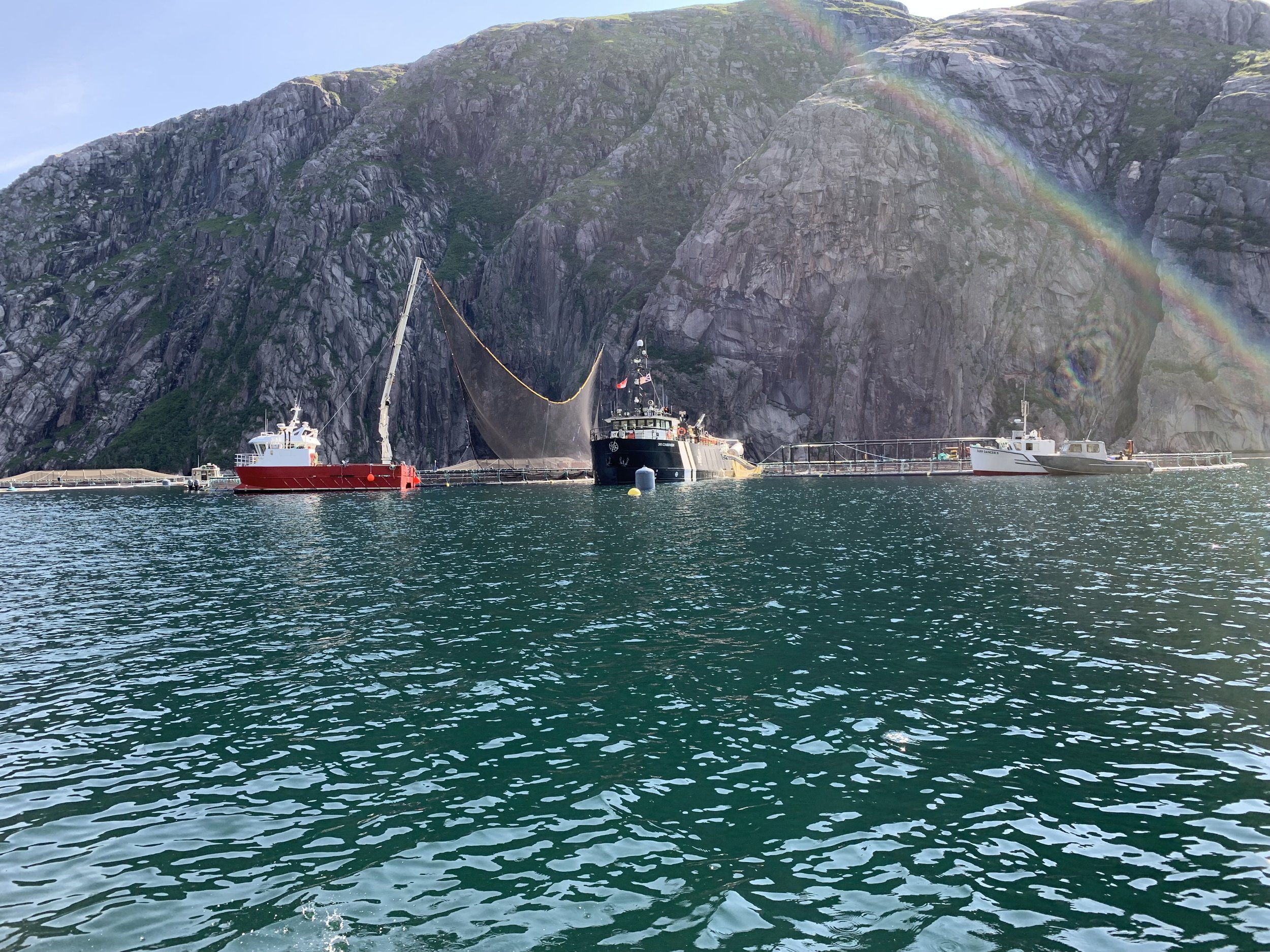
In mature regions, resilience is partly embedded in the industry around the farm. In emerging regions, it has to be built into the company.
Why emerging aquaculture regions need resilience before scale
The case for aquaculture in emerging regions is rarely just about producing fish more cheaply.
In salmon, it may be about accessing growth without paying the extraordinary scarcity premium attached to mature production regions. In other species, the argument may be different: food security, import substitution, local market development, export potential, employment, coastal development, or building national capability in a strategic food sector.
Those are valid reasons to invest. Some of the most interesting opportunities in aquaculture are in places where the support ecosystem is still developing.
But that changes the question investors should be asking.
The question is not simply whether fish can be grown in a new region. Fish can be grown in many places. The more important question is whether the company can build the resilience required to keep growing fish when conditions are imperfect.
That distinction matters because aquaculture investment cases often focus on the visible assets. Sites, licenses, cages, tanks, vessels, hatcheries, feed systems, processing lines, and production targets are easy to describe. They are also easy to finance, photograph, and put into investor presentations.
But in emerging regions, those assets do not sit inside the same support ecosystem that exists in Norway, Chile, Scotland, the Faroe Islands, or other mature production regions. In mature regions, resilience is partly embedded in the industry around the farm. In emerging regions, resilience has to be built into the company and, in some cases, into the region itself.
That resilience has four parts: physical, organizational, institutional, and financial.
The first is physical resilience. This is the hard-asset capacity required to respond when things go wrong: vessels, oxygen systems, mortality handling, harvest capacity, processing flexibility, spare equipment, maintenance capability, logistics, and emergency response infrastructure.
In a mature production region, some of this capacity can often be contracted or accessed on short notice. It may be expensive. It may not be perfect. But the market usually contains options. In an emerging region, there may be nobody to call.
That creates a difficult economic trade-off. If the company carries enough internal capacity to manage a worst-case event, the fixed cost burden may weaken normal-year economics. If it does not carry that capacity, then a manageable production issue can become a company-threatening event.
This is one of the hidden costs of farming outside the core production regions. Resilience is expensive before it is needed and priceless after it is missing.
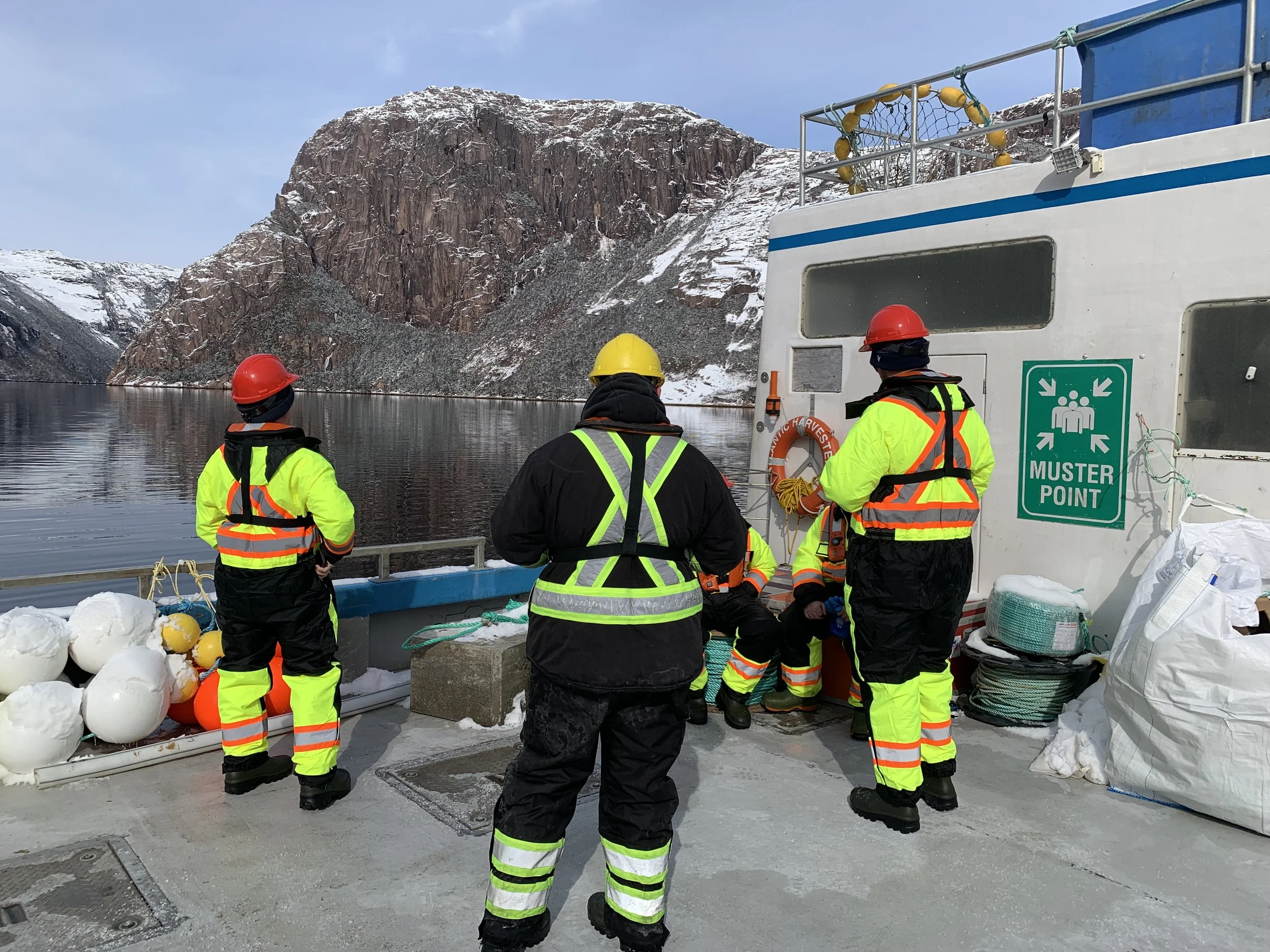
The second form of resilience is organizational. This is the ability of the company to recognize problems early and act before the business is overwhelmed.
Aquaculture problems rarely arrive fully formed. They usually begin as weak signals: a change in appetite, a shift in behavior, a pattern in mortality, a decline in growth, a delay in harvest timing, a breakdown in communication between functions, or a decision that looks reasonable in isolation but adds fragility to the system.
Strong organizations notice those signals. They have monitoring systems, data discipline, fish health judgment, cross-functional communication, escalation protocols, leadership depth, and enough trust to make difficult decisions while there is still time to choose between good options.
Weak organizations often wait until the problem is undeniable. By then, the range of options has narrowed. People, boats, equipment, processing capacity, technical resources, and management attention get redirected to the immediate crisis. Preventive work gets delayed. Routine risks become harder to manage. One problem creates the conditions for the next one.
This is why risk tolerance in emerging regions has to be judged against recovery capacity, not simply current biological performance or the apparent probability of an event. The fish may look fine today. The spreadsheet may still work today. The production target may still be achievable today. But the better question is what happens if conditions move against the company and it has to absorb the full operational burden itself.
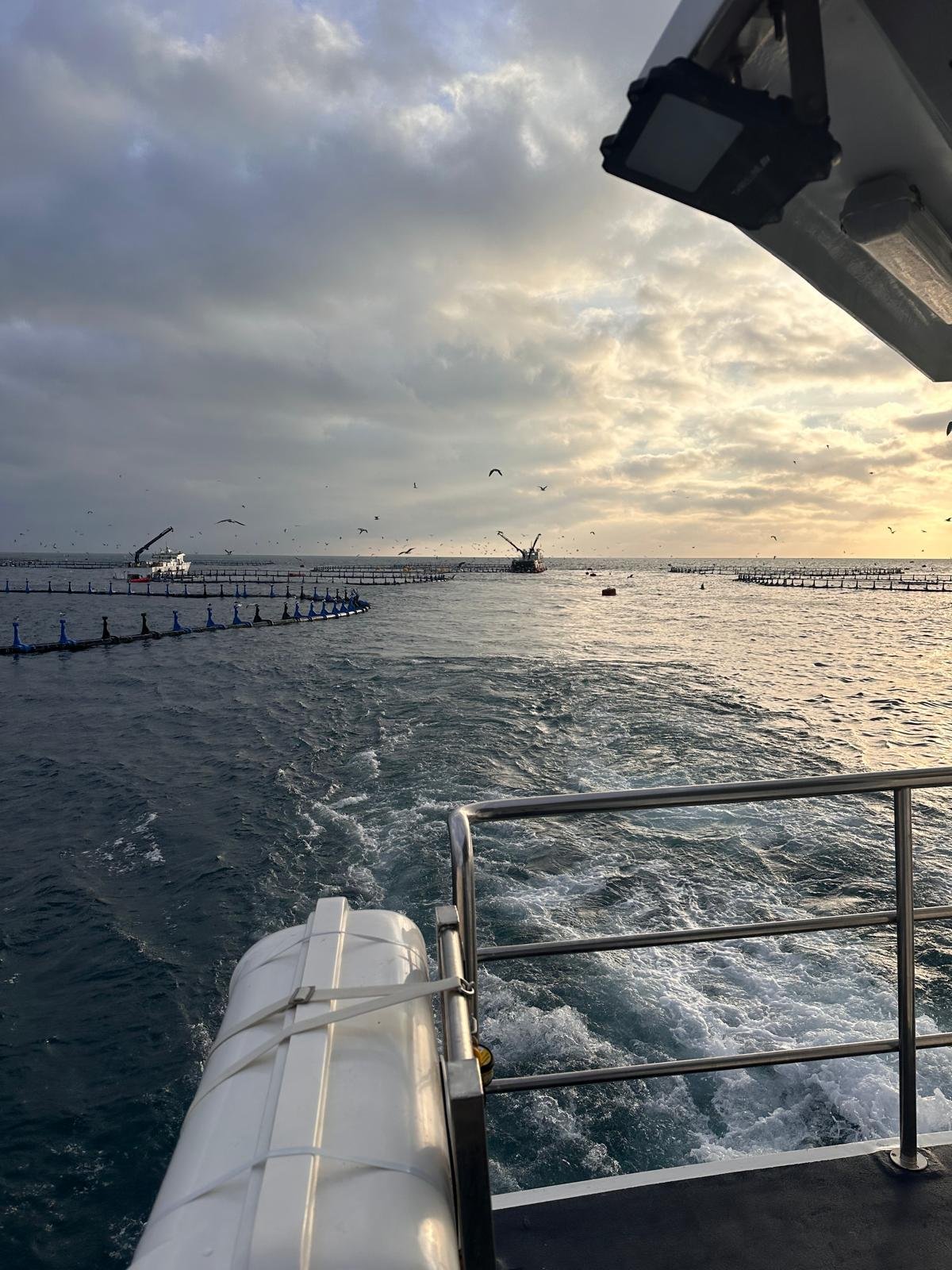
The third form of resilience is institutional. This is the social license, regulatory trust, and public credibility required to survive a bad event without damaging the broader permission to operate.
Aquaculture failures are not always contained inside the company. A production problem can become an environmental problem. An environmental problem can become a reputational and regulatory problem. In an emerging region, where the sector may not yet have a long record of competent performance, one visible failure can shape perceptions of the entire industry.
That makes institutional resilience more than a communications issue. It depends on transparent reporting, credible management, environmental discipline, regulator confidence, community relationships, and a demonstrated willingness to act responsibly when things go wrong.
A mature aquaculture region may have enough history and institutional familiarity to absorb an individual company’s failure. An emerging region may not. If the first major setback becomes the public’s reference point for the industry, the damage can last longer than the biological event.
The fourth form of resilience is financial.
Emerging-region aquaculture often requires patient capital. Not passive capital, and not capital that is indifferent to performance, but capital that understands the difference between waste and capability-building.
In a mature region, investors can benchmark companies against established operating norms: cost per kilogram, production per employee, survival, growth, feed conversion, harvest efficiency, and capital intensity. Those metrics still matter in emerging regions. But they can be misleading if applied too narrowly or too early.
A company building in a thin support ecosystem may need to carry costs that look inefficient in the short term: additional technical depth, training programs, spare capacity, local leadership development, emergency infrastructure, processing flexibility, maintenance capability, and support functions that would be outsourced elsewhere.
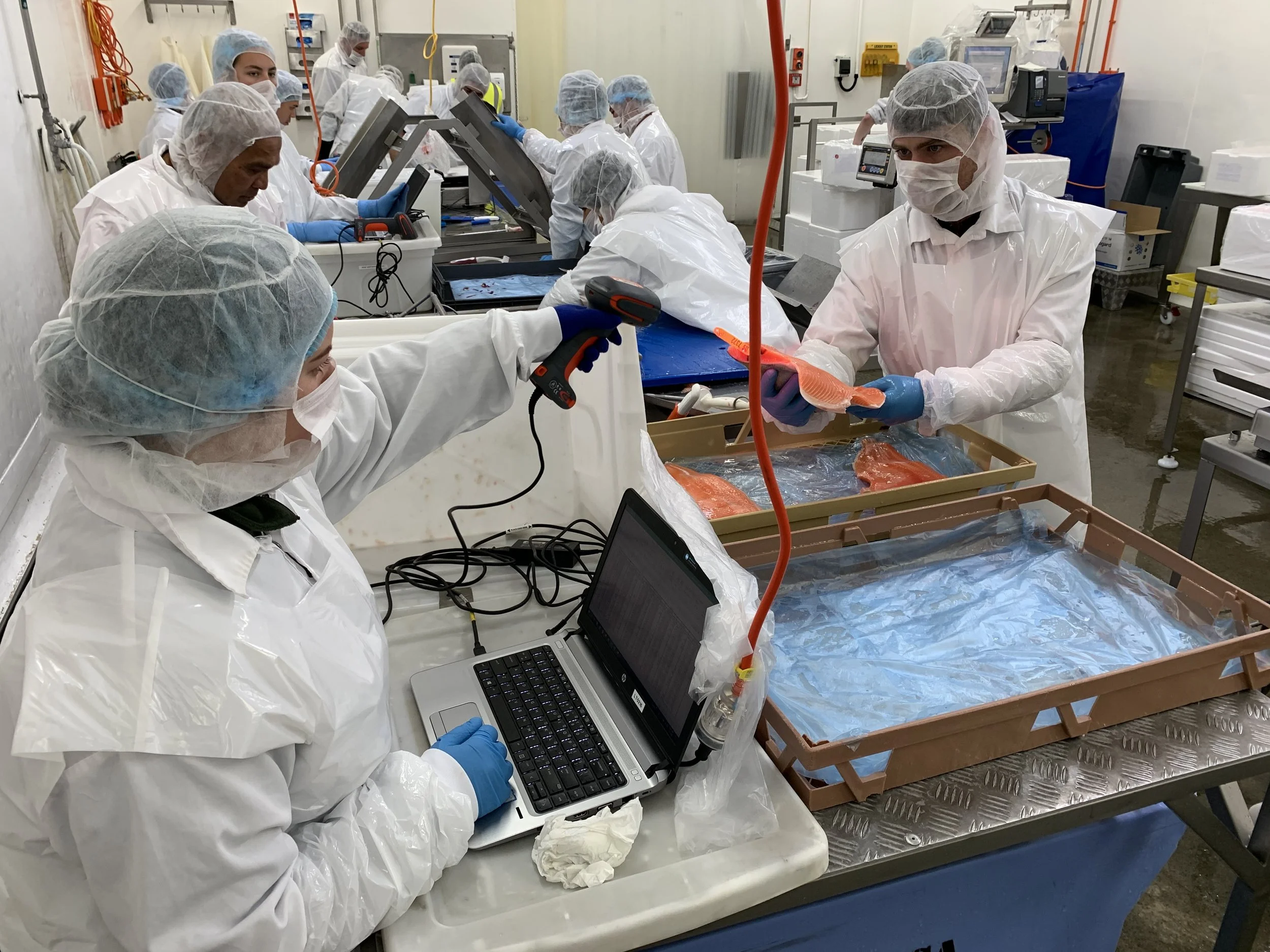
Some of those costs are not signs of weak management. They are the cost of creating the operating platform.
That does not mean investors should tolerate poor discipline. Patient capital is not an excuse for vague strategy, weak accountability, or endless losses. But it does mean investors need to understand what stage of company-building they are funding.
Getting in early can create tremendous long-term value if the company succeeds in building not only production capacity, but a defensible regional operating system. The risk is that impatient capital pushes too quickly for mature-region efficiency before the underlying resilience has been built.
This is the central tension in emerging-region aquaculture.
The business often needs scale to work. Revenue is constrained by commodity markets, while investors and managers focus on cost per kilogram, production per employee, survival, growth, and capital efficiency. Scale spreads overhead and makes fixed costs look more manageable.
But the downside is not linear.
When things go well, scale can make the economics attractive. When things go badly, scale can turn an operating problem into something much larger. If the company lacks physical, organizational, institutional, and financial resilience, a manageable production issue can become an existential event.
That does not mean emerging-region aquaculture should be avoided. It means the investment case has to be honest about what is being built.
The capital is not only funding farms. It is funding capability.
The prize is not just more fish. The prize is a functioning industry.
In mature regions, resilience is partly embedded in the industry around the farm. In emerging regions, resilience has to be embedded in the company.
That may be the hidden cost of building aquaculture outside the core production regions. It may also be the source of long-term value for investors who understand the difference between building capacity and building an industry.